
The Department for Education (DfE) is encouraging schools to work towards meeting its digital and technology standards by 2030. With evolving technology, growing cyber threats and increasing demands on school resources, knowing where to start can be challenging.
These were some of the key topics explored at our recent EIS Breakfast Briefing, which welcomed a record turnout of more than 80 attendees from around 50 schools.
For those who couldn’t join us, we’re sharing five key takeaways from the event, along with practical considerations to help schools plan their next steps.
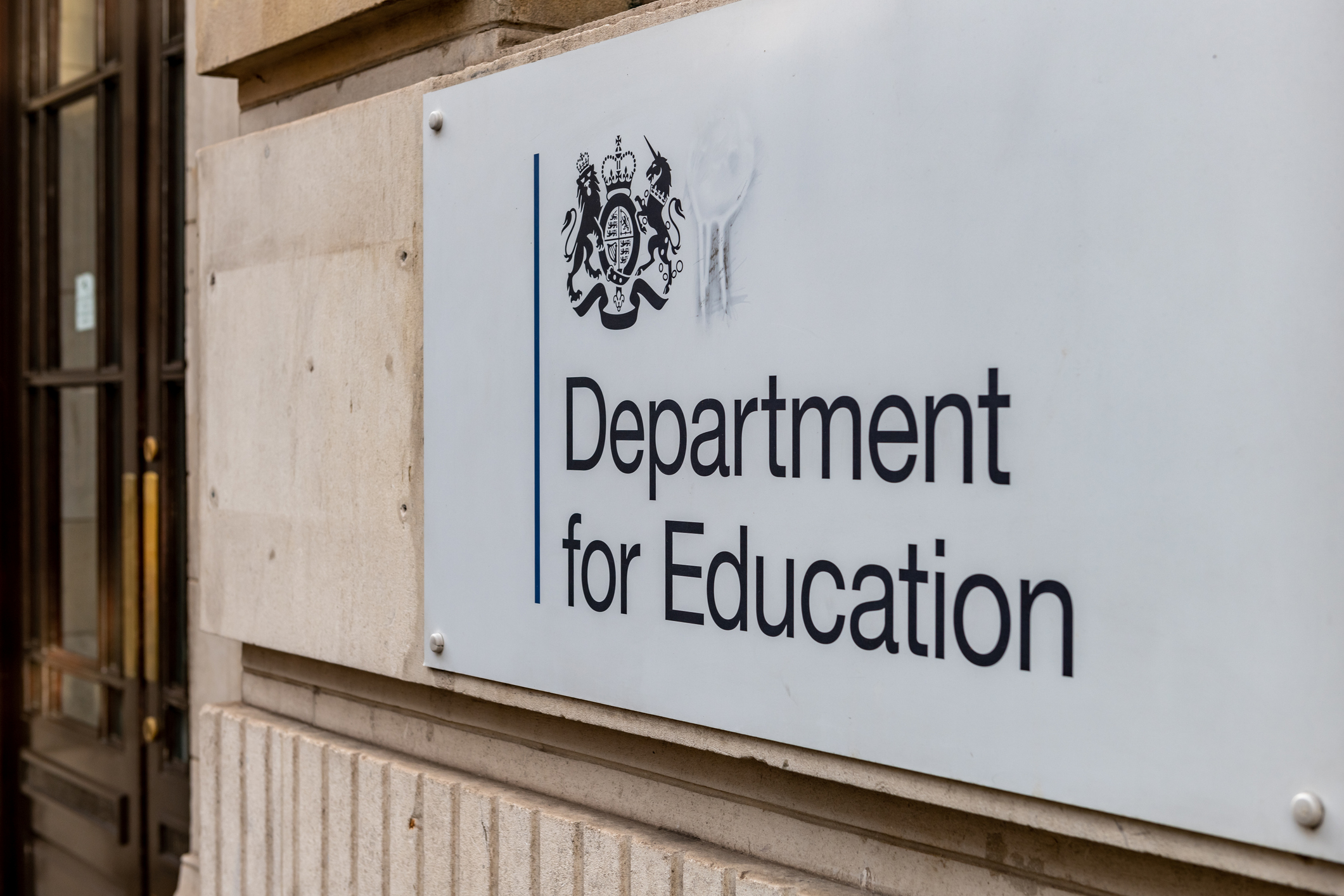
1. Are You on Track to Meet DfE Technology Standards?
The DfE is encouraging schools to work towards meeting its digital and technology standards by 2030. These standards cover important areas of school IT, including broadband connectivity, wireless networks, cyber security and cloud-based systems.
A key message from the briefing was that schools don’t need to make every change at once. However, having a clear plan in place can help spread costs, prioritise improvements and avoid unexpected challenges.
Things to consider:
- Does your school have reliable broadband and a backup connection?
- Is your wireless network providing secure, consistent coverage across the school?
- Are your existing servers and systems suitable for the years ahead?
- Do you have a digital roadmap that identifies future improvements and associated costs?
Taking time to review your current setup can help you make informed decisions about where to invest next.

2. Planning for a Move to the Cloud
As part of its technology standards, the DfE encourages schools to consider cloud solutions as an alternative to locally hosted systems, including traditional servers.
Moving to the cloud can help schools reduce reliance on ageing infrastructure, improve flexibility and make it easier for staff to access the systems they need.
However, every school’s circumstances are different, and it’s important to consider factors such as connectivity, data protection, security and ongoing costs before making changes.
For schools still relying on physical servers, now is a good time to review their longer-term plans and understand the options available.
When cloud services become central to daily operations, resilient connectivity becomes increasingly important too.- Kev Porter, Business Development Manager - EIS
3. Cyber security: Small changes can Make a Big Difference
Cyber threats continue to present a significant risk to schools, with phishing emails, account compromises and other attacks potentially disrupting teaching, learning and everyday operations.
We were joined by representatives from Kent Police and the Cyber Resilience Centre for the East, who shared practical advice on recognising threats and improving cyber resilience.
Some of the simplest steps schools can take include:
- Using strong, unique passwords and enabling multi-factor authentication.
- Helping staff recognise suspicious emails, links and requests.
- Reviewing access to school systems and sensitive information.
- Ensuring appropriate backup and recovery arrangements are in place.
- Making use of free cyber security guidance and resources from the National Cyber Security Centre (NCSC).
Cyber security isn’t just an IT responsibility. Building awareness across the whole school community is an important part of keeping systems and information safe.

4. Keeping up With MIS Changes
Our MIS team provided an update on the latest developments affecting Management Information Systems (MIS) and Finance Information Systems (FIS).
With schools reviewing their existing systems, considering migrations and preparing for changes to supplier arrangements, planning ahead remains important.
Whether your school is considering a new MIS, preparing for a migration or simply looking to get more from its current system, understanding your options and timescales can help make the process more manageable.
The session also covered the latest pupil census requirements and the support available to schools throughout the year.
5. Making AI Work Safely and Effectively in Schools
Artificial intelligence is creating new opportunities to reduce administrative workloads, but schools also need to consider how these tools are introduced and managed.
Adam Halsey, Schools Data Protection Officer at Invicta Law, explored the data protection considerations surrounding AI, including when a Data Protection Impact Assessment (DPIA) may be required.
Our Chief Technology Officer, Danny Mollah, then demonstrated practical ways tools such as Microsoft Copilot can support everyday tasks, including drafting communications, summarising information and organising actions.
The key message? Start small, use AI for a clear purpose and keep people in control.
Schools considering AI tools should review how personal data will be handled, establish appropriate guidance for staff and ensure that AI-generated information is checked before use.
What’s Next for Your School?
One of the main messages from the briefing was that improving school technology doesn’t have to mean making significant changes overnight. Whether you’re reviewing broadband connectivity, planning for the cloud, strengthening cyber security or exploring AI, the important thing is to understand where your school is now and what needs to happen next.
At EIS, we work with schools to make technology simpler, helping them plan improvements that support teaching, learning and the day-to-day running of their school. If you’d like to discuss your school’s technology plans or need guidance on meeting the DfE standards, our team is here to help.